

Where Your Things Go
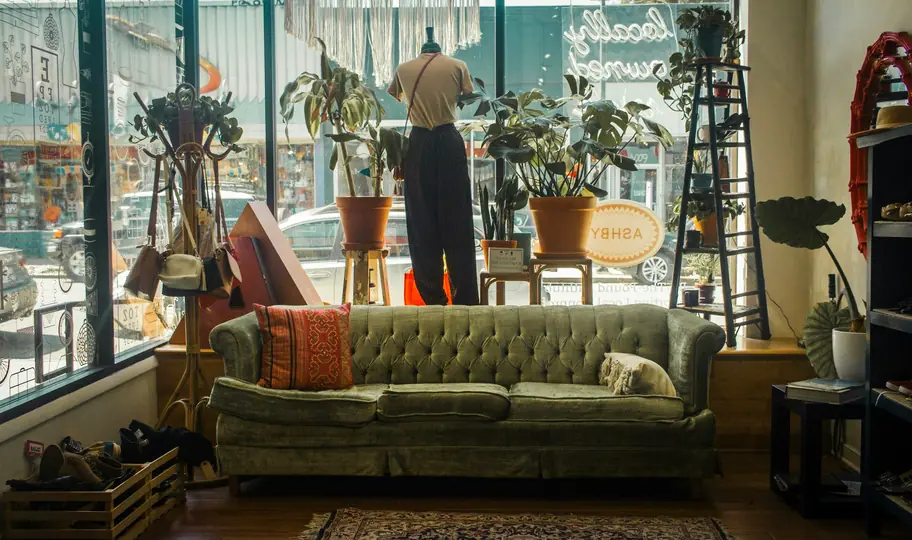
Nothing Gets Treated as Trash Just Because Sorting Takes Effort
Somewhere in almost every cleanout is a dresser that's still solid or a fridge that still runs. The easy thing is to throw it on the truck with everything else. We don't. Every load gets sorted by hand, good furniture and working appliances go to local community thrift stores, easy fixes get fixed first, and after the job you get a note telling you where it all went.
The Sort: Four Places Every Item Can Land
We take the whole load in one visit, so you don't have to sort a thing. Then we go through it piece by piece, and every item ends up kept, donated, fixed then donated, or disposed of properly. The cards below walk through each one.
What Can Usually Be Donated
Thrift stores can only sell what someone will take home and use. These are the general lines. Each store sets its own rules, so treat this as a guide, not a promise.
- Solid wood furniture: dressers, tables, chairs, bed frames, bookshelves
- Sofas and armchairs that are clean, with no tears, stains or strong odors
- Working appliances: refrigerators, washers, dryers, stoves
- Lamps, mirrors, rugs and household goods in good shape
- Outdoor furniture that's sturdy and clean
What Thrift Stores Usually Turn Down
These still go on the truck. We haul them off with the rest of the load and dispose of them properly.
- Used mattresses and box springs (many stores won't take them)
- Anything with water damage, mold, pests or heavy smoke odor
- Torn, stained or broken upholstered pieces
- Appliances that don't run and can't be easily fixed
- Cribs, car seats and other baby gear with safety rules
If It Can Be Easily Fixed, We Get It Fixed, Then Donate It
That's the practice in Jordan's own words. A chair that needs a leg tightened or a dryer that needs a belt still has years of use in it.
- Small repairs only: a loose leg, a missing knob or pull, a sticking drawer, a simple part.
- If a fix would be unsafe or not worth it, we say so. It's disposed of properly instead.
- A fixed piece is only called fixed when it really was. No dressing it up.
After the Job, Jordan Tells You Where Your Things Went
Saying "we donate" is easy. Showing it is better. When your job is done, you get a short text or note with before-and-after photos and a plain list of what was donated, what was fixed, and what was hauled off. For a family clearing a parent's home, that note is often the part that matters most. For a property manager, it's a record you can forward to an owner.
Local Community Thrift Stores, Close to Home
Your things go to local community thrift stores around Denham Springs and Greater Baton Rouge, where they're put on the floor for the next family who needs them. We don't list store names yet. We'll name each one here once it has agreed to be named, and not before.
An Honest Note About the Rest of the Load
Not everything can be saved. Broken furniture, worn-out appliances and general debris still get disposed of properly. We'll never tell you a whole house went to charity when it didn't. What we promise is a real effort to pass on every good piece.
Do you pick up furniture donations for free?
No. We're a paid haul-away service, and donating the usable pieces is part of how we handle every load. If you only have a few good pieces and can wait on a charity's schedule, a free charity pickup may suit you better, and we'll tell you so.
Which thrift stores do you donate to?
Local community thrift stores around Denham Springs and Greater Baton Rouge. We'll name each store here once it agrees to be named. After your job, the note we send tells you where your things went.
How do you decide what can be donated?
We sort every load by hand. Furniture has to be sturdy and clean, and appliances have to work or be an easy fix. Each store has its own rules, so a piece one store turns down may still find a home at another.
What does fixed, then donated mean?
If a piece only needs a small repair, like a tightened leg, a new knob or a simple part, we get it fixed first and then donate it. If a repair would be unsafe or not worth it, we don't pretend. It's disposed of properly.
Will I get a donation receipt for taxes?
We can't promise one. Receipt practices differ from store to store. If a receipt matters to you, tell us before the job and we'll ask the store when we drop off.
What happens to items that can't be donated?
Broken, damaged or unsafe items and general debris are disposed of properly. We'd rather be honest about that than claim everything gets a second home. It doesn't.
Can I keep some things or give some to family first?
Of course. Set aside anything you or your family want, or tell us when we arrive. We only take what you ask us to take.
Pricing questions live on the junk removal pricing and FAQ page. Ready to clear out furniture? See furniture and appliance removal or whole-house cleanouts.
Let the good things keep being useful. Text a few photos for a free estimate, and we'll haul it all in one visit, fix what we can, and pass the good things on.
Keep, Donate, Fix, Dispose
Four Places Every
Item Can Land
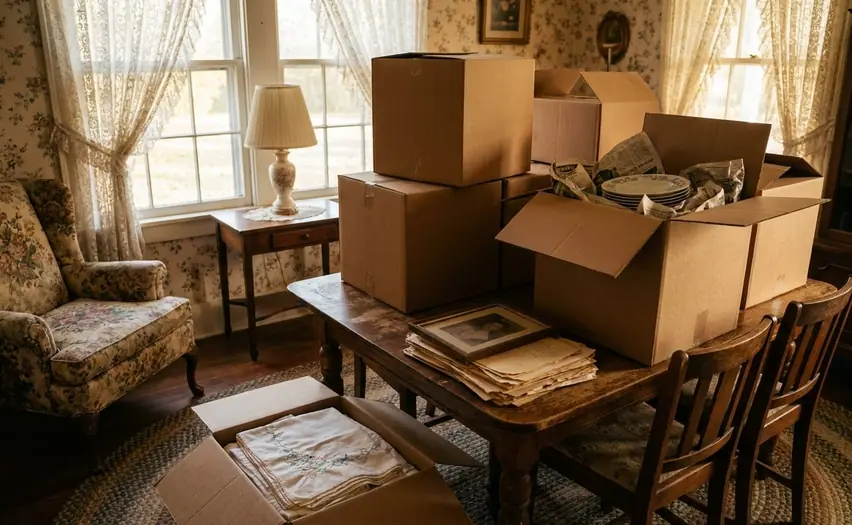
What You Want to Keep Stays Put
Set it aside or point it out before we start. Family photos, papers and keepsakes stay with you. We only carry out what you tell us to, and we ask when something looks like it might matter.
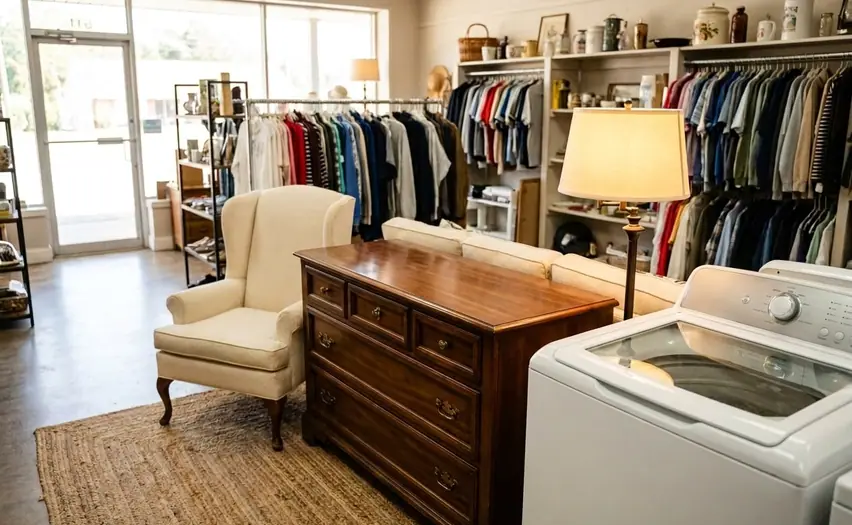
Usable Pieces Go to a Local Thrift Store
Solid furniture and working appliances ride to a local community thrift store instead of the landfill, where they're priced and put on the floor for a new family.
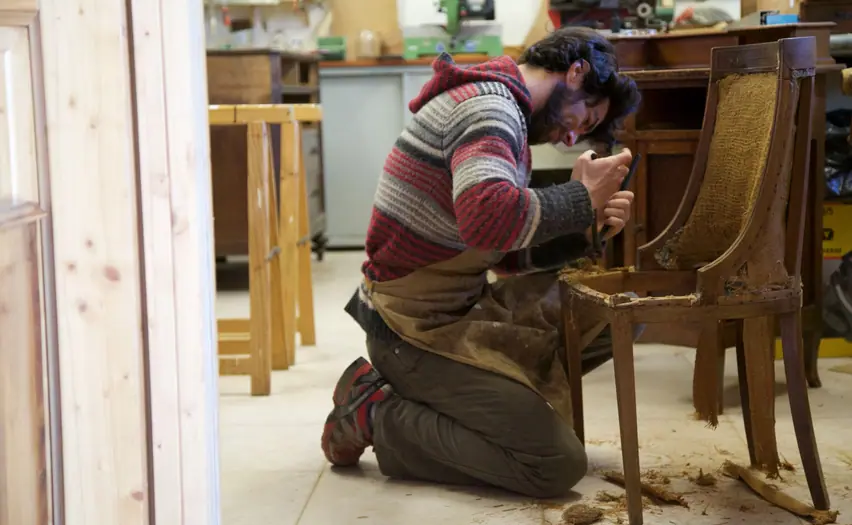
Easy Fixes Get Fixed First
A loose leg, a missing knob, a stuck drawer. If a piece only needs a little help, we get it fixed, then donate it. A working piece does more good than a broken one.
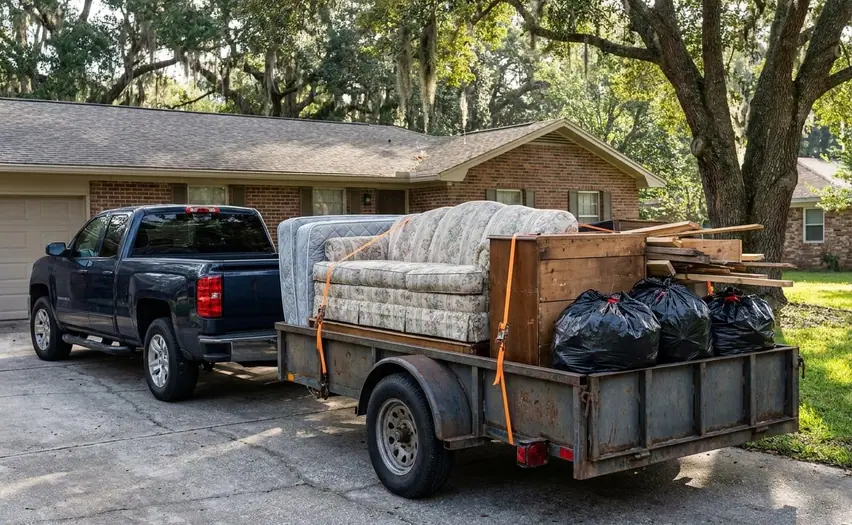
The Rest Is Disposed of Properly
Broken, torn, moldy or unsafe items can't help anyone. Those go where they should, along with the debris, so you never have to haul a thing yourself.